Forschungsgruppen am ACIN
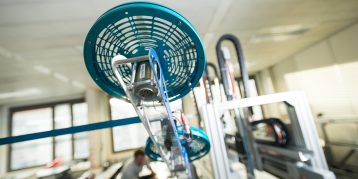
Komplexe Dynamische Systeme (CDS)
Die Forschungsgruppe für Komplexe Dynamische Systeme beschäftigt sich mit der Modellierung, Simulation, Analyse, Optimierung, Steuerung und Regelung komplexer dynamischer Systeme sowie der Bildverarbeitung, Multisensorfusion und kognitiven Robotik. Die Ziele unserer Forschung sind Verbesserungen des Systemverhaltens hinsichtlich der dynamischen Eigenschaften, der Genauigkeit, der Robustheit, der Zuverlässigkeit und der Flexibilität sowie eine Erhöhung der Produktivität und Ressourceneffizienz (Energie- und Rohstoffeinsatz) bei gleichzeitiger Minimierung der Systemkosten. Weiterlesen →
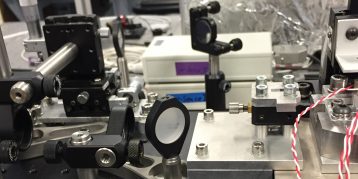
Advanced Mechatronic Systems (AMS)
Die Gruppe Advanced Mechatronic Systems (AMS) am ACIN unterhält Forschung und Lehre auf Gebieten der Präzisionstechnologie, der wissenschaftlichen Instrumentierung und Prozessmesstechnik, sowie der industriellen Automatisierung und Steuerungssystemen. Ein Fokus dieser Forschungsgebiete liegt dabei auf Anwendungen mit hoher industrieller Relevanz. Unsere Forschung befasst sich mit der Entwicklung eines Ansatzes zum integrierten Systemdesign, inklusive theoretischer Aspekte und moderner Methoden der Regelungs- und Steuerungstechnik, für die industrielle Automation, Produktion, und Messtechnologie der Zukunft. Weiterlesen →
Forschungslabore am ACIN
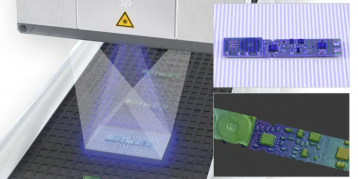
Christian Doppler Labor für Präzise Messungen in Bewegung
Das CD-Labor für präzise Messungen in Bewegung behandelt Problemstellungen, welche bei der Präzisionsvermessung von bewegten und vibrierenden Messobjekten auftreten. Solche Messanordnungen verlangen detailliertes Verständnis der eingebrachten Messunsicherheiten, flexibel einsetzbare hochdynamische Sensoren zur präzisen Erfassung von Relativbewegungen sowie durchdachte mechatronische Designs zwecks Kompensation von Relativbewegungen. Weiterlesen →
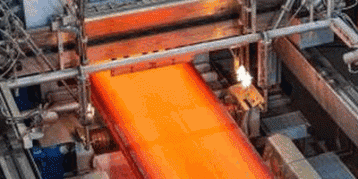
Christian Doppler Labor für Intelligente Prozessregelung für hochwertige Stahlprodukte
Das CD-Labor für Intelligente Prozessregelung für hochwertige Stahlprodukte widmet sich der problemorientierten Grundlagenforschung zur Analyse, Steuerung, Regelung, und Optimierung von typischen Produktionsprozessen für hochwertige Flachprodukte aus Stahl und von strukturell ähnlichen Produktionsprozessen. Im Fokus stehen dabei die Prozessschritte Stranggießen, Bandbeschichtung, und die direkte Regelung von Materialeigenschaften. Weiterlesen →
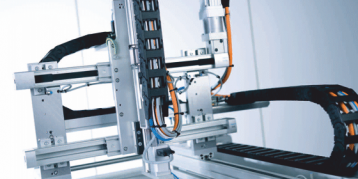
Festo Systemlabor für autonome Handhabungssysteme
Das Festo Systemlabor widmet sich langfristigen Themen der Grundlagen- und angewandten Forschung. Das Institut und die Festo AG vertiefen damit ihre langjährige erfolgreiche Zusammenarbeit auf dem Gebiet der autonomen Handhabungssysteme. Weiterlesen →
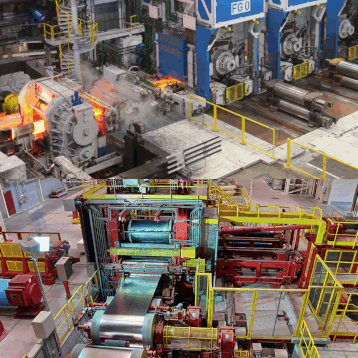
Christian Doppler Labor für Modellbasierte Prozessregelung in der Stahlindustrie
Im CD-Labor für Modellbasierte Prozessregelung in der Stahlindustrie werden regelungstechnische Probleme aus den Herstellungsprozessen von Stahlband gelöst. Im Fokus stehen die Prozessschritte Warmwalzen, Glühen und Feuerverzinken von Stahlbändern. Weiterlesen →
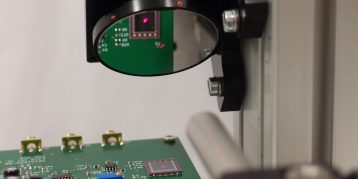
Christian Doppler Labor für Präzisionstechnologie für Automatisierte In-Line Messtechnik
Das CD-Labor entwickelt hochauflösende 3D-Messsysteme, um den steigenden Anforderungen an Produktzuverlässigkeit und Durchsatz in modernen Produktionssystemen gerecht zu werden. Hierbei sind oftmals höchste Präzision und Flexibilität erforderlich, um Messungen direkt in der Linie durchführen zu können und verschiedene Produkteigenschaften zu bestimmen. Weiterlesen →